




The aim of these articles is to keep our Clients and Associates updated about developments in the sector of Intellectual Property in general and our firm in particular. In this way, we wish to provide a broader view of the tools that the field of trade marks, domain names, patents, designs and related rights offers to entrepreneurs to enhance and protect their efforts in researching and developing new solutions and ideas.
Canada Approves First Semaglutide Generic: Lessons from the “Ozempic Case” for Patent Portfolio Management
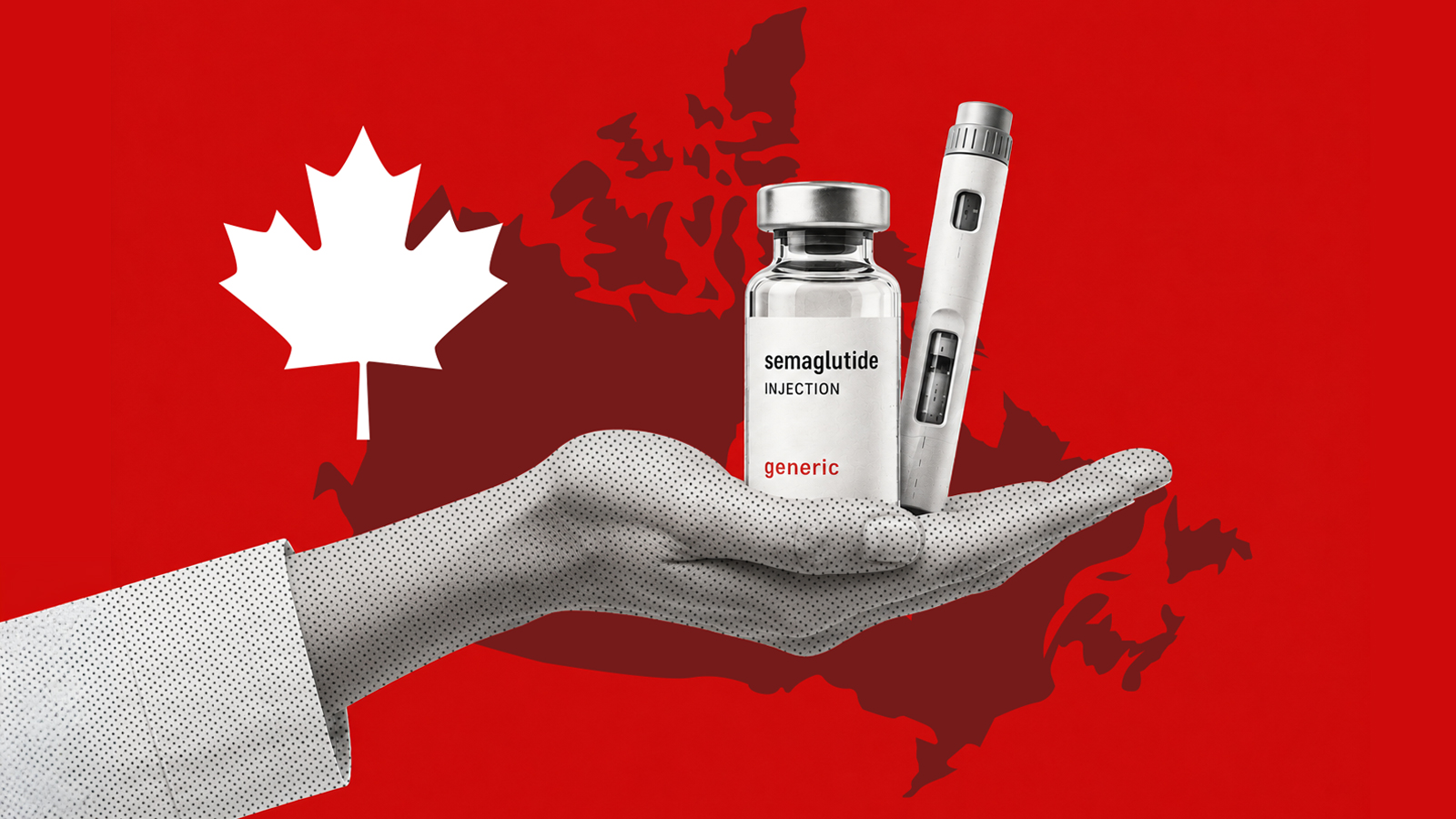
On 28 April 2026, Health Canada (the federal agency responsible for the regulation of pharmaceuticals and healthcare products in Canada) granted Dr. Reddy’s Laboratories authorization for the first generic injectable semaglutide product on the Canadian market. Semaglutide is the active ingredient underlying Ozempic, the blockbuster treatment for type 2 diabetes and weight management marketed by the Danish big pharma company Novo Nordisk.
The approval marks a significant milestone for the pharmaceutical industry, as Canada has become the first G7 country to authorize a semaglutide generic, well ahead of both the United States and Europe.
Beyond its immediate commercial impact, the case offers valuable insights into long-term patent portfolio management and demonstrates how strategic IP decisions taken many years before product launch can generate far-reaching and sometimes unexpected consequences.
A key factor lies in the specific Canadian pharmaceutical regulatory framework, which combines:
- an 8-year regulatory data exclusivity period for innovative medicines; and
- price regulation by the PMPRB (Patented Medicine Prices Review Board), applicable to patented medicines.
Novo Nordisk originally held a patent for semaglutide with a natural expiry date in 2026, potentially extendable until 2028 through a supplementary protection certificate. However, in 2017 — before the Canadian launch of Ozempic in 2018 — the company strategically chose not to pay the annual maintenance fee, allowing the patent to lapse.
This decision produced two major effects:
- Ozempic was no longer subject to PMPRB’s price control, enabling Novo Nordisk to maintain higher pricing throughout the exclusivity period; and
- market protection became based solely on regulatory exclusivity, which expired in January 2026.
Once the regulatory exclusivity period ended, Dr. Reddy’s was able to obtain approval for its generic version immediately.
Importantly, the lapse of the Canadian patent was not an administrative oversight but rather a deliberate strategic decision. Patent owners routinely weigh factors such as market size, pricing regulation, expected exclusivity value, litigation and maintenance costs, and long-term commercial forecasts.
Back in 2017, when the decision was made, the market of pharmaceuticals containing GLP-1 receptor agonists had not yet reached today’s scale, and avoiding years of Canadian price control may have appeared commercially more advantageous than preserving two additional years of patent protection.
With hindsight, it is easy to reach a different conclusion. However, the point is not whether Novo Nordisk “made a mistake”; rather, it is that every patent-related decision generates effects that may only become apparent many years later, often in a radically changed market environment.
The case also highlights a broader principle: regulatory exclusivity is not equivalent to patent protection. While data exclusivity prevents generic manufacturers from relying on the originator’s clinical dossier for abbreviated approval pathways, it does not prevent them from developing full dossiers, manufacturing the active ingredient, or preparing market entry strategies. For high-value pharmaceutical products, regulatory exclusivity often functions more as a delay mechanism than as an absolute barrier.
Another noteworthy aspect concerns the proximity between the Canadian and US markets. By allowing the Canadian patent to lapse while maintaining higher Canadian prices, Novo Nordisk also limited the risk of cross-border price arbitrage between Canada and the United States during the exclusivity period 2018-2026.
If the Canadian price had been regulated and significantly lower than the US price, the resulting gap could have encouraged cross-border purchases or parallel imports, with potential commercial and political repercussions in the United States. By maintaining a Canadian price closer to the US level, Novo Nordisk effectively mitigated this risk.
However, following entry of the generic product in Canada in 2026, the situation changes considerably: the availability of lower-cost semaglutide products may increase political pressure in the US, attract media attention regarding price disparities, potentially weaken the perception of exclusivity surrounding the originator product, and increase the risk, albeit marginal, of informal consumer arbitrage.
The “Ozempic case” is a clear example of how a patent-related decision can produce opposite effects at different stages of a product’s lifecycle: beneficial in reducing risks in the short term, yet potentially more exposed in the long term, once the competitive and regulatory landscape has evolved.
From an IP strategy perspective, the “Ozempic case” provides several important lessons for innovative companies across all sectors:
- patents should be treated as strategic business assets rather than purely formal legal rights;
- patent maintenance decisions must account for long-term market evolution and regulatory changes;
- patents last long, and seemingly minor administrative choices can have substantial consequences 10–15 years later;
- active and forward-looking patent portfolio management is essential to maintaining competitive advantage.
Conclusions
Ultimately, the Canadian semaglutide case serves as a reminder that intellectual property strategies must remain closely aligned with evolving business objectives, market conditions, and competitive dynamics throughout the entire lifecycle of a product.