




The aim of these articles is to keep our Clients and Associates updated about developments in the sector of Intellectual Property in general and our firm in particular. In this way, we wish to provide a broader view of the tools that the field of trade marks, domain names, patents, designs and related rights offers to entrepreneurs to enhance and protect their efforts in researching and developing new solutions and ideas.
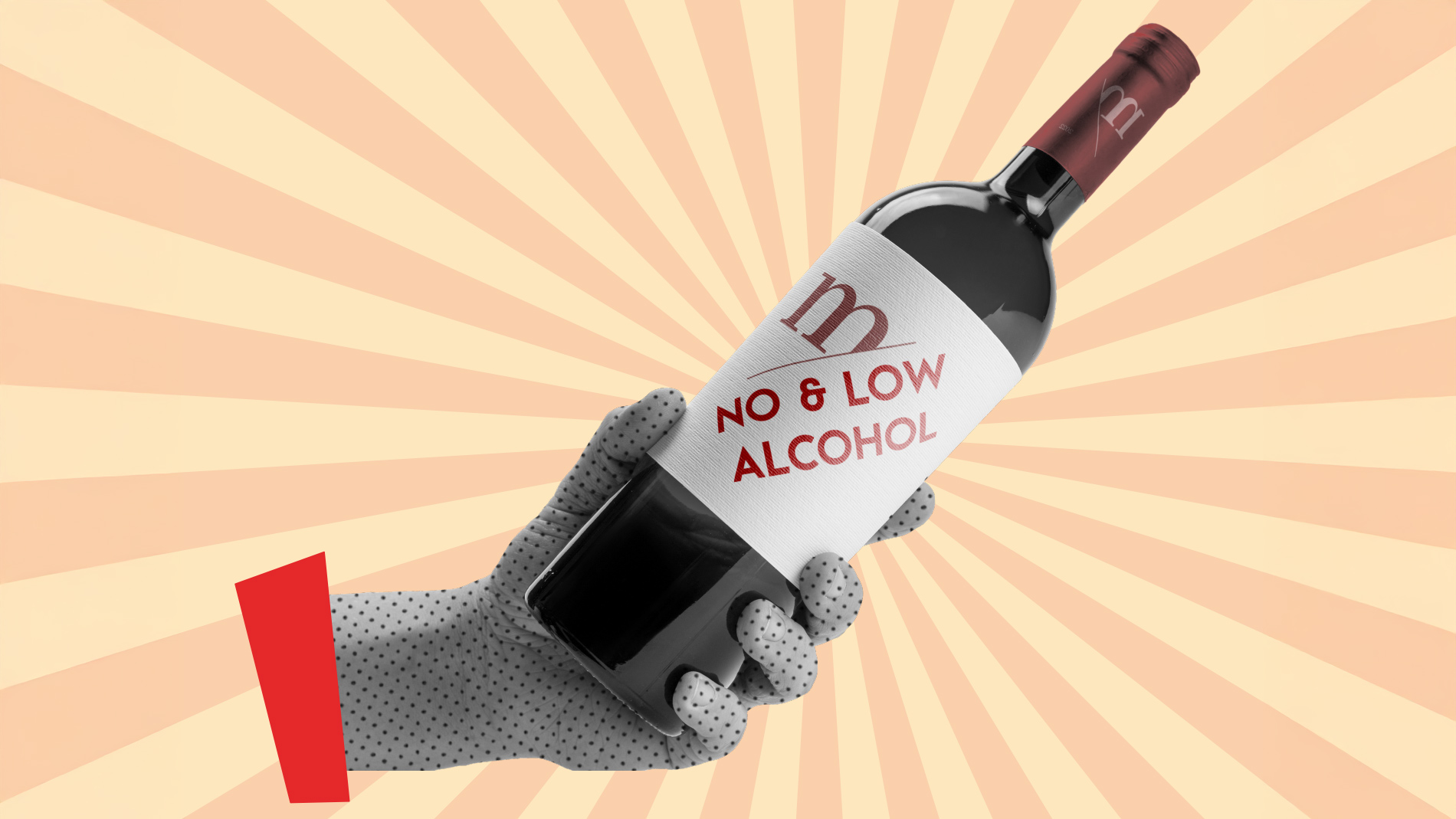
The Italian Government Approves “NoLo” (No- & Low-Alcohol) Wines
After more than a year of extensive negotiations, at the end of 2025, the Italian Government approved the interministerial decree — signed by the Ministry of Economy (MEF) and the Ministry of Agriculture (MASAF) — authorizing the production and sale of dealcoholized and low-alcohol wines in Italy. The decree establishes the regulatory framework, excise duties, and production requirements, bringing the country in line with EU legislation.
This measure paves the way for the development of a national “NoLo” wine sector — a rapidly growing market — allowing Italian producers to avoid relying on foreign facilities.
Until now, Italian entrepreneurs — even those who had invested in dealcoholization plants in Italy — were forced to carry out the relevant operations abroad, mainly in Germany and Spain, incurring additional transportation costs.
The measure, which for the first time establishes detailed rules for producers of zero-alcohol and very low-alcohol wines in Italy, ensures that Italian companies can compete on conditions comparable to those of their European counterparts. As stated by the Minister of Agriculture, Francesco Lollobrigida, this will result in “new opportunities for Italian companies in the sector.”
Below are the key elements of the measure:
- Regulation of production: the decree governs the dealcoholization of wine and the related technical operations. It differentiates producers based on their size, sets benchmark limits for annual production volumes, and introduces a regulatory framework calibrated to the scale of operations.
- Fiscal framework: the decree defines the applicable tax regime and excise duties, including those levied on the alcohol extracted during the process.
- Competitiveness: the aim is to bridge the gap with other European and non-European countries and to allow Italian wine producers to manage the entire production process in-house.
- Growing market: according to the Observatory of the Italian Wine Union, the NoLo wine segment represents one of the few areas of growth within the wine sector. The global NoLo wine market is currently valued at USD 2.4 billion and is expected to reach USD 3.3 billion by 2028, with an average annual growth rate of 8%. Notably, zero-alcohol wines recorded growth rates of 46% in Germany, 20% in the United Kingdom, and 18% in the United States in 2025.
- Clear rules: the decree distinguishes between procedures based on production volumes (above or below 1,000 hectolitres per year) and ensures full product traceability.
The decree also regulates the issuance of the required authorizations, the related administrative obligations, and the rules governing the storage and marketing of the product, as well as the scope of ancillary activities, which are permitted solely insofar as they are strictly connected to the dealcoholization process.
The measure further allows operators that also act as tax warehouses for intermediate alcoholic products and wine to carry out wine dealcoholization processes, within specified quantitative limits.
Dealcoholized wine thus moves out of a zone of regulatory uncertainty and becomes fully integrated into the regulatory framework of the wine sector, positioning itself as a strategic tool to strengthen competitiveness and support the evolution of the Italian wine industry.
As already highlighted in our previous newsletters, the liberalization of “NoLo” wines also has an impact on the field of Intellectual Property. It is therefore essential to pay close attention to the legal aspects related to trade mark protection, particularly regarding registration in the appropriate classes of the Nice Classification.
It should be noted that beverages with reduced or zero alcohol content fall under Class 32 of the Nice Classification, rather than the traditional Class 33, which includes “wines.”
Our professionals are available to work with you in assessing the product categories to be protected and identifying the most effective tools to safeguard and enhance your Clients’ wine-related IP assets in Italy.